Our why
Owning property in Japan should not require living here.
Japan has genuinely good property, at prices that surprise people. Finding one is the easy part. The difficulty starts immediately afterwards, and it is all local, physical work.
The questions nobody answers from 10,000 kilometres away
- Who visits the property before you commit?
- Who reads the registry extract and the seller's disclosure?
- Who talks to the seller, and in what language?
- Who checks the roof, the foundations, and the drainage?
- Who gets the renovation quote, and who checks the scope is what you agreed?
- Who lets the contractor in on a Tuesday morning?
- Who receives the tax notice that arrives at a Japanese address?
- Who answers the tenant when the water heater fails in February?
Listings are in Japanese. Documents are in Japanese. Sellers and agents often will not engage with a buyer they cannot meet, and a contractor will not quote a house nobody has walked through. None of this is hostility toward foreign buyers; the market simply assumes you live down the road.
So we built the team you would have if you lived here
Japan Owners Club came out of Tokai Owners Club, a Japanese owners' circle in Nagoya. That circle already had what overseas buyers were missing: owners who sell to each other, a licensed brokerage, contractors, and a management company running real units every day.
We opened a second door onto it, in English. We source and inspect, we sit in the negotiation, we scope and coordinate the renovation, and we stay reachable after the keys change hands. The brokerage, the registration, the building work, and the management are each done by the licensed or specialist party that should be doing them.
You are the buyer. We are the people here.
Context
Why there is so much to look at
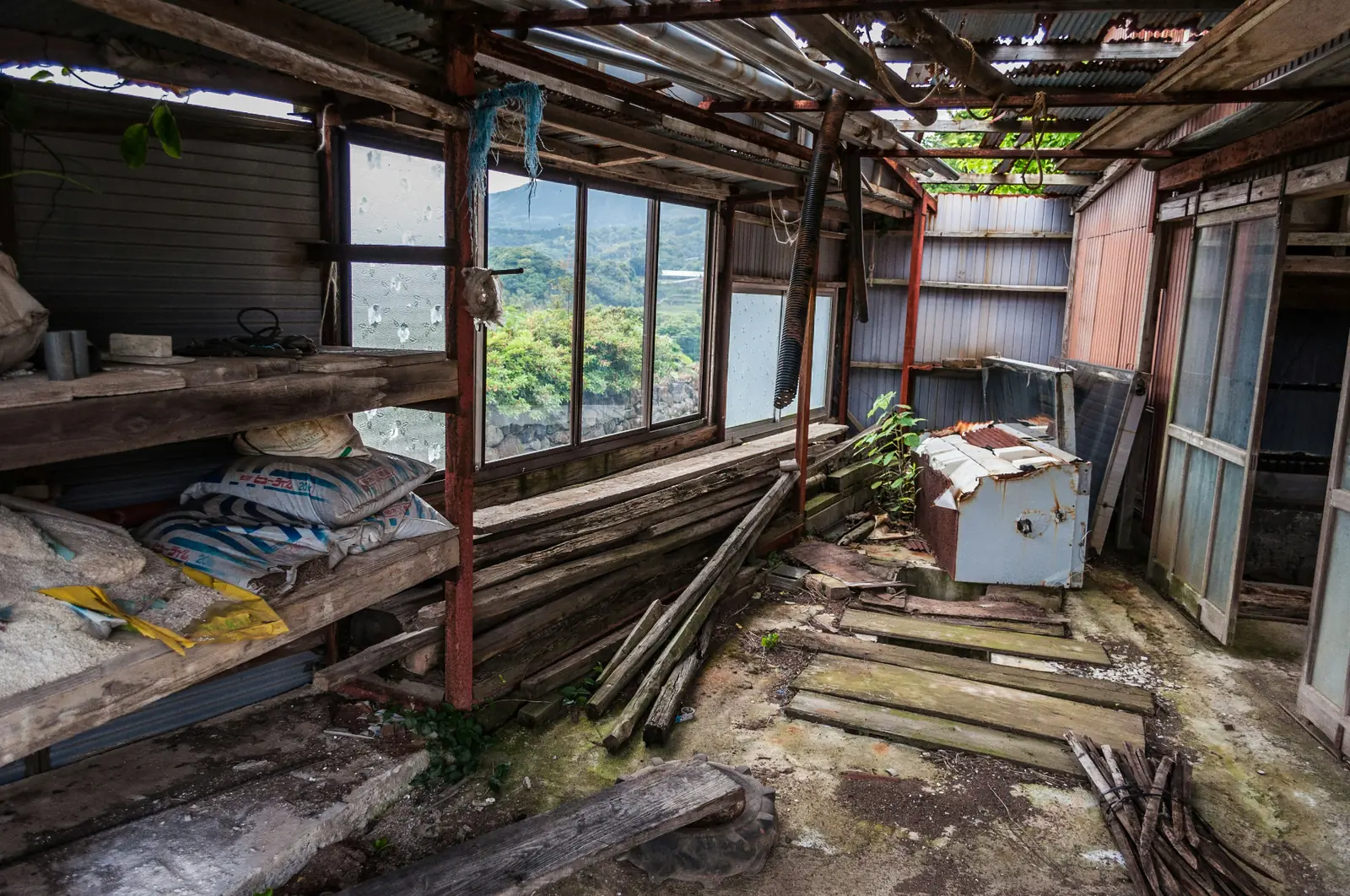
Japan's housing stock is ageing and the population is moving toward the big cities. Government surveys count more than nine million vacant homes, around one in seven nationwide, with far higher rates in some rural prefectures. Inheritance rules and a cultural preference for new-build make it cheaper for many families to leave a house empty than to sell it.
That is context, not a mission statement. Some of those houses are worth restoring and some should be demolished. It also means solid ordinary homes and small income buildings trade at prices that make sense, which is where most of our work happens.
Japanese mortgage options for non-residents are limited, and we do not arrange financing. At the same time, many properties, particularly outside the largest city centres, cost a fraction of what a comparable home might cost in other developed markets, which makes a direct purchase realistic for some buyers. Prices still vary widely by location, land value, age, condition, and how much renovation a house needs, so the only number that matters is the one attached to a specific property.
- 9M+
- Vacant homes nationwide
- ~14%
- Of Japan's housing stock
- 2014
- Tokai Owners Club founded